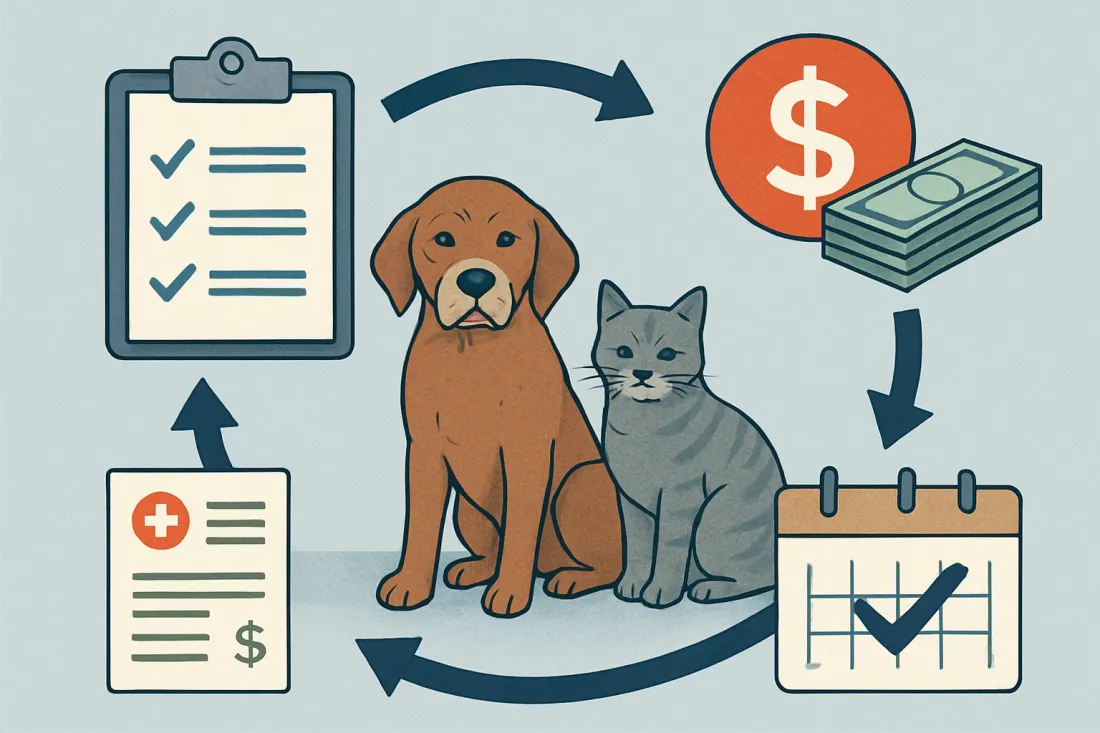
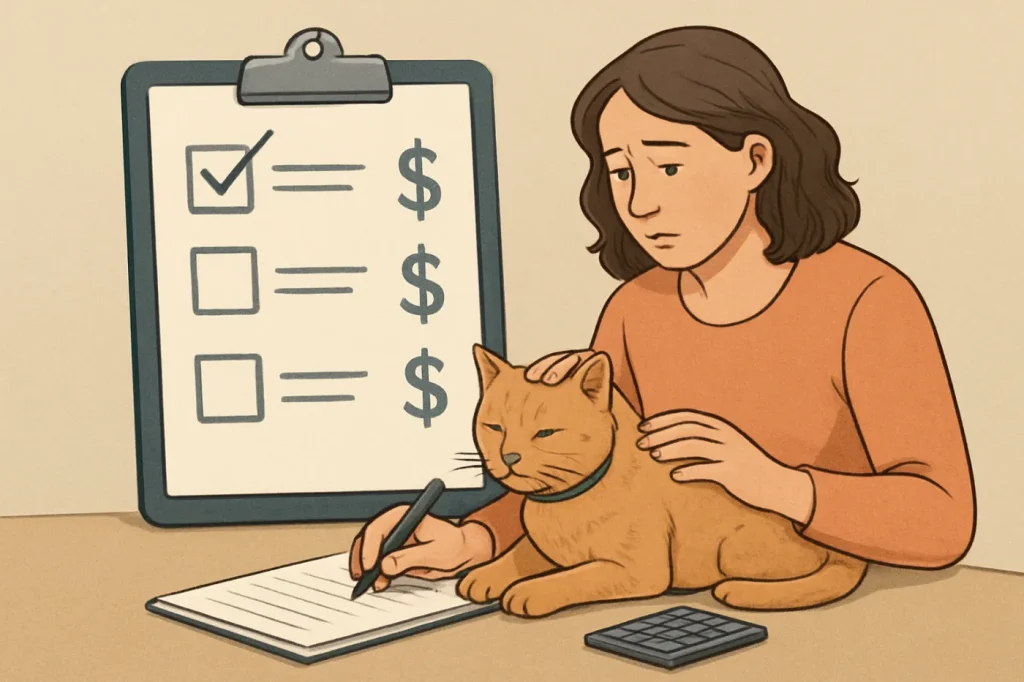
Planning for senior pet and end of life costs: the practical bottom line
If you share your life with a dog or cat, you will almost certainly face two realities: 1. Medical and care costs usually rise sharply in the last years of a pet’s life. 2. The hardest decisions often have a financial side, whether you want them to or not. Planning ahead does not make you a cold or uncaring owner. It is part of responsible pet ownership. A simple plan can help you:
- Afford basic senior care like checkups, pain control, and mobility support.
- Avoid going into debt or delaying needed treatment because of money shocks.
- Make end‑of‑life decisions based on your pet’s comfort and your values, not last‑minute panic.
This guide walks through what typically changes as pets age, what kinds of costs to expect, and how to build a realistic, written plan for senior and end‑of‑life care in the United States.
Why long‑term cost planning is part of responsible pet ownership
Many people budget for adoption fees, food, and routine vaccines, but never think through the final years. That is when costs can spike because of:
- Chronic illnesses (arthritis, kidney disease, heart disease, diabetes).
- Age‑related testing and monitoring.
- Medications, special diets, and mobility aids.
- Hospice care, in‑home support, and euthanasia/cremation.
Without a plan, owners often face painful trade‑offs:
- Putting large vet bills on high‑interest credit cards.
- Delaying pain relief or diagnostics because they “need to think about the money.”
- Choosing or postponing euthanasia based more on cost than on the pet’s comfort.
Planning ahead does not mean you must choose every treatment no matter the price. It means you:
- Know your financial limits before a crisis.
- Understand the typical options and their cost ranges.
- Have a framework for balancing quality of life, finances, and ethics.
If you are still budgeting for everyday care, you may find it helpful to review broader guides such as annual vet costs for dogs and cats in the US and then layer senior‑specific planning on top.
Common age‑related health issues and how they change costs
Every pet ages differently, but some patterns are common.
Senior dogs: typical issues and cost drivers
Common senior dog conditions that affect your budget include:
- Arthritis and joint pain – often managed with pain medications, joint supplements, and sometimes physical therapy or laser therapy.
- Dental disease – may require dental cleanings under anesthesia and extractions.
- Heart disease – can involve regular exams, imaging, and daily medications.
- Kidney or liver disease – usually needs bloodwork monitoring, special diets, and medications.
- Cancer – may involve biopsies, surgery, chemotherapy, or palliative care only.
- Cognitive decline – can require medications, supplements, and environmental changes.
Financially, this often means:
- More frequent vet visits (for example, twice‑yearly senior checkups instead of once a year).
- Additional diagnostics (bloodwork, X‑rays, ultrasound) when new symptoms appear.
- Ongoing monthly costs for medications and supplements.
- Occasional larger procedures such as dental work or surgery.
Senior cats: typical issues and cost drivers
Senior cats face many of the same issues, plus some cat‑specific ones:
- Kidney disease – very common; may require special food, fluids, and regular bloodwork.
- Hyperthyroidism – often treated with daily medication or other therapies.
- Diabetes – can involve insulin, syringes, and monitoring supplies.
- Arthritis – often under‑recognized; may need pain relief and home modifications.
- Dental disease – cleanings and extractions are common in older cats.
Again, this translates into:
- More frequent checkups and lab tests.
- Daily medications or special diets.
- Occasional higher one‑time bills for procedures.
What you can realistically expect
Evidence from pet‑care cost research suggests that even in the first year of ownership, routine care and basic medical needs can add up to thousands of dollars. As pets age and develop chronic conditions, it is reasonable to expect that annual medical spending may rise significantly compared with their younger years, especially if they need ongoing medications or repeated diagnostics. Because exact costs vary widely by region and clinic, the safest approach is to:
- Ask your vet for typical price ranges for senior exams, bloodwork panels, and common procedures in your area.
- Review past bills from your own vet to see how costs have changed over time.
- Build your budget around local quotes rather than national averages.
Budgeting for chronic medications, special diets, and mobility aids
Once a pet is diagnosed with a chronic condition, the financial picture shifts from one‑time surprises to steady, predictable costs. That is good news for planning.
Chronic medications
Examples include:
- Pain medications and anti‑inflammatories for arthritis.
- Heart medications for dogs with cardiac disease.
- Thyroid medication for cats with hyperthyroidism.
- Insulin for diabetic dogs and cats.
Practical steps:
- Ask about generic options – many drugs have lower‑cost generic versions.
- Discuss long‑term dosing – once your pet is stable, your vet may be able to extend refill intervals, reducing visit fees.
- Compare pharmacies safely – ask your vet which reputable pharmacies they work with and whether written prescriptions are allowed.
- Plan a monthly line item – treat chronic meds like a utility bill and build them into your regular budget.
For broader strategies on recurring medical expenses, you can also look at guidance on managing long term medication and prescription diet costs for pets.
Prescription and special diets
Special diets are common for kidney disease, allergies, urinary issues, and weight management. They can cost more than standard food, but they may reduce other medical costs by stabilizing disease. Planning tips:
- Ask your vet whether a prescription diet is essential or if a high‑quality non‑prescription food could work.
- Calculate the cost per day or per month based on how much your pet eats, not just the bag price.
- Watch for manufacturer loyalty programs or rebates, but avoid over‑stocking if your pet’s condition may change.
Mobility aids and home modifications
For arthritic or weak pets, you may need:
- Ramps or stairs to help them reach beds, couches, or cars.
- Non‑slip rugs or mats on slick floors.
- Support harnesses or slings for walks and bathroom breaks.
- Orthopedic beds for pressure relief.
These are often one‑time or occasional purchases. To budget:
- Prioritize safety items first (non‑slip surfaces, ramps for stairs or cars).
- Buy gradually as your pet’s needs change instead of all at once.
- Consider gently used items from trusted local sources when safe and appropriate.
Understanding hospice, euthanasia, and cremation costs in the US
End‑of‑life care can be emotionally and financially intense. Knowing the typical options helps you prepare.
Pet hospice care
Pet hospice focuses on comfort rather than cure. It may include:
- In‑home or in‑clinic consultations to create a comfort plan.
- Pain management and symptom control.
- Guidance on monitoring quality of life.
- Emotional support for the family.
Evidence from US hospice providers suggests that an in‑home hospice appointment can cost a few hundred dollars, with some providers quoting ranges that can reach several hundred dollars per visit depending on location and services. Ongoing costs then depend on medications, follow‑up visits, and any equipment you need. Because prices vary widely, ask local providers:
- What is included in an initial hospice consultation.
- How follow‑up visits are billed.
- Whether they offer packages or payment plans.
Euthanasia options
You generally have two main choices:
- In‑clinic euthanasia – usually the lower‑cost option; you bring your pet to the vet’s office.
- At‑home euthanasia – a vet comes to your home so your pet can pass in a familiar environment.
Available evidence indicates that at‑home euthanasia in the US can range from a few hundred dollars to over a thousand dollars depending on region, travel distance, pet size, and whether cremation is included. In‑clinic euthanasia is typically less, but exact figures must be confirmed with your vet. When you call clinics or mobile vets, ask for:
- Itemized estimates (exam/house call fee, euthanasia procedure, aftercare).
- Any additional charges for evenings, weekends, or holidays.
- Options for sedation beforehand to keep your pet calm.
Cremation and aftercare
After euthanasia, you will usually choose between:
- Communal cremation – pets are cremated together; ashes are not returned.
- Private or individual cremation – your pet is cremated alone or with tracking so you receive only their ashes.
- Home burial – allowed or restricted depending on local rules; you must check local regulations and property guidelines.
Costs depend on pet size, type of cremation, and any memorial items (urns, paw prints, fur clippings). Ask your vet or cremation provider for written options and estimates well before you need them if possible.
Is euthanasia covered by pet insurance or wellness plans?
Coverage varies by company and policy. Some pet insurance plans may cover euthanasia if it is deemed medically necessary, while others may not. Wellness plans sometimes cover a portion of the exam or procedure, but not always aftercare. To avoid surprises:
- Review your policy documents specifically for “euthanasia,” “end‑of‑life care,” and “cremation/aftercare.”
- Call your insurer and ask for written clarification of what is and is not covered.
- Keep a copy of any email confirmation with your pet’s medical records.
Comparison table: senior care options and when they fit
| Care option | When it usually fits | What it typically includes | Financial impact | Key questions to ask |
|---|---|---|---|---|
| Standard senior wellness care | Pet is aging but mostly stable; mild issues only | Senior exams, vaccines, basic bloodwork, dental checks | Predictable annual or semi‑annual costs; lower than intensive care | How often do you recommend senior checkups? What tests are most important for my pet? |
| Chronic disease management | Pet has a long‑term condition (arthritis, kidney disease, diabetes) | Regular monitoring, daily meds, special diet, occasional imaging | Ongoing monthly costs plus periodic higher bills for tests | What is the expected monthly cost of meds and food? How often will we need rechecks? |
| Curative or aggressive treatment | Condition is potentially curable or can be significantly extended (e.g., some cancers) | Surgery, chemo, advanced imaging, specialist visits | High one‑time or short‑term costs; may exceed typical annual budgets | What are realistic outcomes? What are lower‑intensity alternatives if we cannot afford full treatment? |
| Comfort‑focused hospice care | Condition is terminal; goal is comfort and time at home | Pain control, symptom management, home adjustments, quality‑of‑life monitoring | Moderate ongoing costs; often less than aggressive treatment but more than basic care | What signs will tell us it is time to consider euthanasia? How often will we need visits? |
| Euthanasia with basic aftercare | Pet’s suffering outweighs good days; treatment no longer helps | In‑clinic or at‑home euthanasia, communal cremation or simple burial | One‑time cost; amount varies by location and setting | What are the total fees including aftercare? Can we have time alone with our pet? |
| Euthanasia with private cremation and memorials | Family wants ashes returned and keepsakes | Euthanasia plus private cremation, urn, paw print, memorial items | Higher one‑time cost than basic aftercare | What memorial options are available? Can we choose a simpler package if needed? |
Structured checklist: financial and practical prep for senior pets
Use this checklist as a working tool. You do not need to complete it all at once.
Health and medical planning
- Confirm your pet’s “senior” status with your vet and ask what age‑related issues they are most at risk for.
- Schedule regular senior wellness exams (often every 6–12 months, or as your vet advises).
- Ask your vet for a list of likely future tests or procedures and rough local price ranges.
- Keep a folder (digital or paper) with all test results, diagnoses, and medication lists.
Budget and savings
- Review your last 12–24 months of vet bills to see your real spending pattern.
- Decide on a realistic monthly amount you can set aside for pet medical costs.
- Open a separate savings bucket or account labeled for pet care.
- If you have pet insurance, review coverage for chronic disease and end‑of‑life care.
- If you do not have insurance, decide whether it still makes sense at your pet’s age or if self‑funding is more realistic.
Chronic condition management
- For each diagnosed condition, ask your vet for a written treatment plan and expected follow‑up schedule.
- Request cost‑saving options (generics, longer refill intervals, home monitoring where appropriate).
- Track monthly spending on meds, special food, and supplies for 2–3 months to set a baseline.
End‑of‑life options and preferences
- Talk with your vet about what end‑stage signs might look like for your pet’s main conditions.
- Decide whether you would prefer in‑clinic or at‑home euthanasia if finances allow.
- Call at least two providers to ask about euthanasia and cremation options and get written estimates.
- Check local rules if you are considering home burial.
- Discuss with family members what memorials (if any) are important to them.
Quality‑of‑life and ethical planning
- Choose a simple quality‑of‑life scale (for example, rating appetite, mobility, pain, and enjoyment of favorite activities).
- Decide in advance what “non‑negotiables” would mean it is time to consider euthanasia (e.g., uncontrolled pain, inability to breathe comfortably).
- Write down your values: is your priority maximum time, maximum comfort, or a balance?
- Share your thoughts with your vet and close family so they understand your wishes.
Practical home and daily care
- Make simple home modifications (ramps, non‑slip rugs, easier litter box access).
- Arrange backup caregivers who understand your pet’s medications and routines.
- Prepare a “hospital bag” with medical records and a list of medications for emergencies.
Balancing quality of life, finances, and ethics
Money should not be the only factor in end‑of‑life decisions, but it is unrealistic to pretend it does not matter. The goal is to find a humane balance.
Key decision criteria
When facing a major treatment or end‑of‑life choice, consider:
- Your pet’s current quality of life – Are they eating, interacting, and enjoying some favorite activities? Or mostly withdrawn and uncomfortable?
- Expected outcome of treatment – Is the goal cure, months of good quality time, or a small chance of benefit with significant suffering?
- Impact on your pet’s comfort – Will treatment cause pain, fear, or frequent hospital stays?
- Your financial stability – Can you afford the plan without risking housing, food, or essential care for other family members?
- Your emotional capacity – Do you have the time and energy for intensive home nursing if needed?
A practical approach is to rank these factors for yourself and your family. Some owners prioritize maximum time, others prioritize comfort, and others must prioritize financial safety. None of these make you a bad owner if you are acting thoughtfully and with compassion.
Common emotional and financial mistakes
Avoid these traps:
- Waiting until a crisis to talk about money – decisions made in the ER at midnight are the hardest and most expensive.
- Equating love with spending – choosing a less aggressive or less expensive option can still be deeply loving if it protects your pet from suffering.
- Ignoring your own limits – taking on unmanageable debt or caregiving tasks you cannot sustain helps neither you nor your pet.
- Prolonging suffering out of guilt – sometimes the kindest act is letting go sooner than your heart wants.
Talking with your vet about costs and options early
Your veterinarian is a key partner in planning, but many owners feel awkward bringing up money. It is better to be direct.
How to start the conversation
You can say:
- “My dog is getting older and I want to plan ahead. Can we talk about what health issues you expect and what they might cost?”
- “I need to stay within a certain budget. Can you help me prioritize the most important tests and treatments?”
- “If my cat’s disease progresses, what are the comfort‑focused options versus aggressive treatment?”
Questions that help you plan
Ask your vet:
- “What are the best‑value tests or treatments for my pet’s situation?”
- “Are there lower‑cost alternatives that are still medically reasonable?”
- “How often will we need rechecks, and what do those usually cost here?”
- “If things get worse suddenly, where should we go and what might that cost?”
- “Can we talk about how to recognize when it might be time for euthanasia?”
Some clinics also have staff who can discuss payment options, third‑party financing, or local assistance programs. Ask if there is someone you can speak with about financial planning specifically.
US‑based financial assistance and support resources
Availability and eligibility change over time, so always verify details directly with each organization. Common types of support include:
- Nonprofit funds for veterinary care – Some charities help low‑income owners with urgent or chronic care costs. Many focus on specific conditions (like cancer), species, or regions.
- Clinic‑based hardship funds – A few veterinary hospitals maintain small funds or sliding‑scale programs for clients in financial crisis.
- Care‑credit style financing – Third‑party companies may offer medical credit lines for vet care. These can help in emergencies but must be used carefully because interest rates can be high if balances are not paid off quickly.
- Local humane societies and rescue groups – Some offer low‑cost clinics, vaccine days, or spay/neuter programs that free up money for other senior care needs.
- Pet food banks – In some areas, food pantries or animal charities provide pet food, which can help you redirect funds toward medical care.
- Support groups and counseling – Pet loss and caregiver‑support groups (online or in person) can help you cope with grief, guilt, and tough decisions.
To find current options:
- Ask your vet if they know of local or national assistance programs.
- Contact nearby humane societies or animal shelters and ask about medical assistance or low‑cost clinics.
- Search for condition‑specific charities (for example, pet cancer support) and verify they are legitimate nonprofits.
Creating a written long‑term care and cost plan
A written plan does not have to be complicated. One or two pages can make a huge difference when emotions are high.
Core elements of your plan
Include:
- Pet profile – Name, age, species/breed, main medical conditions, current medications.
- Current care routine – How often you see the vet, what tests are done, daily meds and food.
- Budget framework
- Monthly amount set aside for routine and chronic care.
- Maximum amount you are willing and able to spend on a single unexpected event without going into debt.
- Any backup options (savings, family help, approved credit line).
- Treatment preferences
- How you feel about aggressive treatments versus comfort‑focused care.
- Conditions under which you would decline certain procedures (for example, long hospital stays with low chance of success).
- End‑of‑life wishes
- Preferred setting for euthanasia if possible (home or clinic).
- Preferred aftercare (communal cremation, private cremation, or burial where allowed).
- Any memorials that matter to you (paw print, ashes, photos).
- Quality‑of‑life guidelines
- Your personal “red lines” that would mean it is time to consider euthanasia.
- How often you will review your pet’s quality of life (for example, weekly check‑ins).
- Contacts and documents
- Primary vet and emergency vet contact details.
- Any hospice or at‑home euthanasia providers you have researched.
- Insurance policy numbers and key coverage notes.
Share this plan with family members who help care for your pet, and keep a copy with your pet’s medical records. Revisit it at least once a year or whenever your pet’s health changes significantly.
FAQ: senior pet care, euthanasia timing, and end‑of‑life costs
When should a senior dog be euthanized?
There is no single age or diagnosis that automatically means it is time. Instead, focus on quality of life. Signs that it may be time to discuss euthanasia with your vet include:
- Persistent pain that is not controlled by medication.
- Severe breathing difficulty or constant distress.
- Inability to stand, walk, or get comfortable even with support.
- Frequent vomiting or diarrhea that does not respond to treatment.
- Loss of interest in food, family, and favorite activities most days.
Use a quality‑of‑life scale and track good days versus bad days. When bad days clearly outnumber good ones and your vet confirms that further treatment will not restore comfort, it may be kinder to let your dog go.
How much does end‑of‑life care cost for dogs?
End‑of‑life costs vary widely in the United States. Factors include:
- Whether you choose in‑clinic or at‑home euthanasia.
- Your region and local cost of living.
- Whether you select communal or private cremation.
- Any hospice care, medications, or special equipment used beforehand.
Evidence from US providers suggests that at‑home euthanasia can range from a few hundred dollars to over a thousand dollars depending on location and services. In‑clinic euthanasia is generally less. Hospice visits may also cost a few hundred dollars per appointment. Because of this variability, the most reliable step is to ask local vets and hospice providers for written estimates in advance and build those ranges into your savings plan.
What is the typical timeline for a senior dog dying?
Timelines differ greatly depending on the dog’s underlying conditions. Some dogs decline gradually over months or years with chronic disease, while others may appear stable and then deteriorate quickly over days or weeks. Patterns you might see include:
- Slow, stepwise decline with arthritis or mild organ disease, with long stretches of good quality time.
- More rapid decline when cancer or severe organ failure is involved.
- Sudden crises (for example, internal bleeding, bloat, stroke‑like events) that require emergency decisions.
Because it is hard to predict, regular checkups and honest conversations with your vet are essential. Ask them what the likely course of your dog’s specific condition is and what red‑flag signs should trigger an urgent visit.
Is euthanasia covered by a pet plan or pet insurance?
Some pet insurance policies or wellness plans may cover part of the cost of euthanasia when it is medically necessary, but coverage is not universal. Aftercare services like cremation are less commonly covered. To find out what your plan includes:
- Read the sections of your policy that mention euthanasia, end‑of‑life care, or aftercare.
- Call the company and ask directly whether euthanasia and cremation are covered, under what conditions, and up to what limits.
- Request written confirmation (email or letter) and keep it with your pet’s records.
If your plan does not cover these services, consider setting aside a small dedicated fund specifically for euthanasia and aftercare so you are not scrambling when the time comes.
Thoughtful planning for senior pet and end‑of‑life costs will not remove the sadness of saying goodbye, but it can spare you from financial shock and rushed decisions. By understanding likely health issues, building a realistic budget, talking openly with your vet, and writing down your wishes, you give both yourself and your pet the gift of a calmer, more compassionate final chapter.