
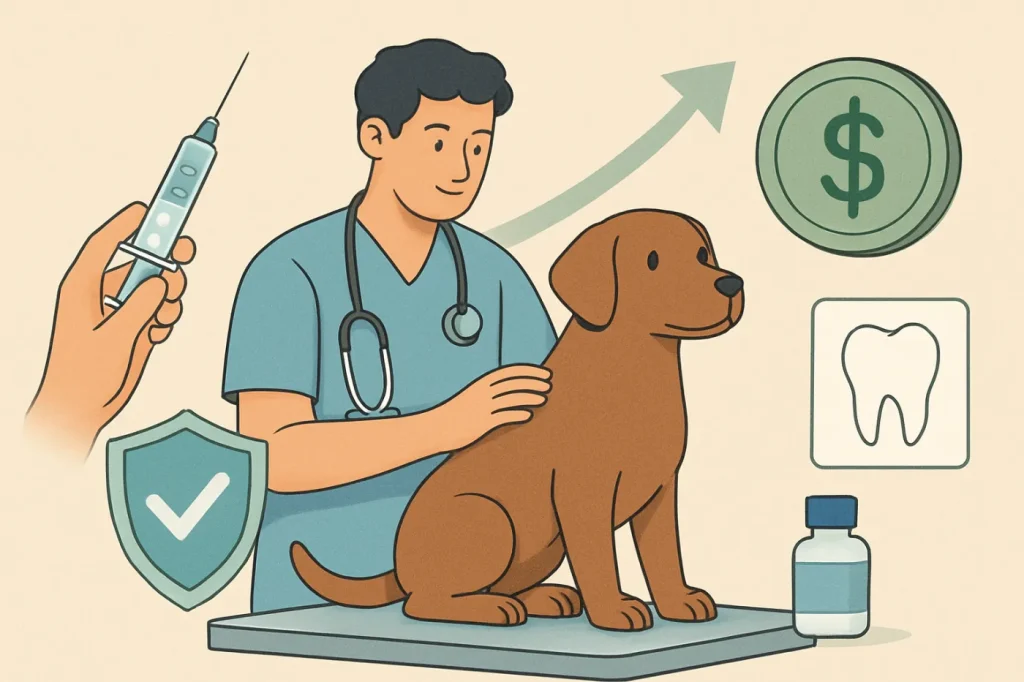
Preventive pet care saves money long term because it turns unpredictable emergencies into smaller, planned expenses. The habits that matter most are simple: regular vet checkups, vaccines on schedule, parasite prevention, dental care, and keeping your pet at a healthy weight. Done consistently, these steps usually cost far less than one major crisis visit or a lifelong disease that could have been slowed or avoided.
Think of it like routine maintenance on a car. Oil changes and tire rotations cost something now, but they are tiny compared with an engine replacement or a highway breakdown. Pets are the same: small, steady investments in health usually cost far less than one major crisis.
How Preventive Pet Care Cuts Big Bills Later
Preventive care is not about doing every possible test. It is about focusing on the few habits that most reliably reduce the risk of painful, expensive problems. For most dogs and cats in the United States, the money-saving pillars are:
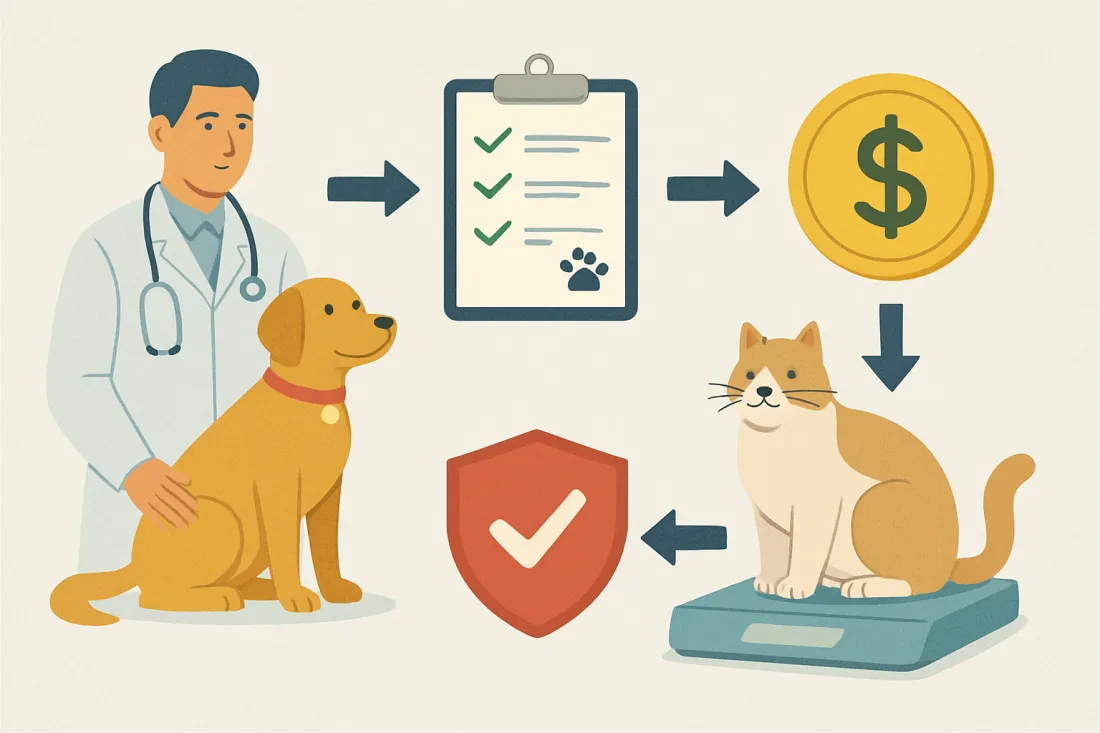
- Annual (or twice-yearly for seniors) wellness exams
- Core vaccines and boosters on schedule
- Year-round parasite prevention (fleas, ticks, heartworm where relevant)
- Basic dental care (home brushing plus professional cleanings when needed)
- Weight management and joint protection
- Early bloodwork and screening tests in middle-aged and senior pets
Each of these habits lowers the chance of something that is both painful for your pet and expensive for you: emergency surgery, hospitalization, long courses of medication, or intensive management of advanced disease.
If you want a timing roadmap for shots, tests, and checkups, it can help to compare your pet’s current routine with a dedicated pet preventive care schedule USA.
Core Preventive Actions for Dogs That Pay Off Later
For dogs, a few predictable trouble spots drive many large vet bills: preventable infections, dental disease, injuries from excess weight, and parasite-borne illnesses. Focusing on these areas usually gives the biggest financial return.
Wellness exams and early screening for dogs
- Puppies: Start with a series of visits for vaccines, parasite checks, and growth monitoring, then move to annual exams.
- Adult dogs: At least one wellness exam per year; many vets recommend twice yearly for large breeds or dogs with known issues.
- Senior dogs: Often benefit from exams every 6 months plus periodic bloodwork and urine tests to catch kidney, liver, or hormone problems early.
Why this saves money: Catching a heart murmur, early kidney changes, or a small skin mass at a routine visit usually means simpler treatment. Waiting until a dog is in crisis often means hospitalization, advanced imaging, or emergency surgery.
Daily dog habits that prevent expensive problems
- Leash and yard safety: Secure fencing, leashes, and supervision help prevent car accidents, dog fights, and toxin ingestion.
- Safe chew toys and supervision: Reduces the risk of intestinal blockages from swallowed objects, which often require surgery.
- Regular nail trims: Helps avoid torn nails that can bleed, get infected, and sometimes need sedation to treat.
- Grooming and skin checks: Brushing, checking ears, and feeling for lumps catch hot spots, ear infections, and masses before they need intensive treatment.
These habits cost time more than money, but they often prevent the kind of emergencies that lead to large, unexpected bills. For busy owners, building them into a consistent daily dog care routine for working owners can make them easier to maintain.
Core Preventive Actions for Cats That Pay Off Later
Cats are experts at hiding illness. By the time they show obvious signs, disease can be advanced and expensive to treat. Preventive care for cats focuses on quiet, early changes: weight, appetite, litter box habits, and dental health.
Wellness exams and indoor cat myths
- Kittens: Need a series of visits for vaccines, parasite checks, and spay/neuter planning.
- Adult cats: Benefit from annual wellness exams, even if they live strictly indoors.
- Senior cats: Often do best with exams every 6 months plus bloodwork and urine tests to screen for kidney disease, thyroid disease, and diabetes.
Costly misconception: Assuming indoor cats do not need regular vet care. Indoor cats still develop dental disease, kidney issues, arthritis, and obesity. Waiting until they are obviously sick often means more complex and costly treatment.
Daily cat care that prevents bigger bills
- Litter box monitoring: Changes in urine volume, frequency, or straining can signal urinary or kidney issues that are cheaper to treat early.
- Weight and body condition: Obesity in cats is strongly linked to diabetes and joint problems, both expensive to manage long term.
- Environmental enrichment: Scratching posts, playtime, and vertical spaces reduce stress-related issues like inappropriate urination or overgrooming, which can lead to repeated vet visits.
For more detail on building healthy habits into your cat’s day, you can review a daily care routine for indoor cats.
Dental Care at Home vs Professional Cleanings
Dental disease is one of the most common and most underestimated sources of both pain and cost in pets. The key decision is how much to do at home versus relying on professional cleanings under anesthesia.
Comparing dental care options for long-term savings
| Dental option | Best use case | Money impact over time | Main risks if neglected or misused |
|---|---|---|---|
| Home tooth brushing | Dogs and cats that tolerate handling; easiest if started young but can be introduced gradually at any age. | Very low ongoing cost; often delays the need for professional cleanings and can reduce how often they are needed. | If done roughly or with human toothpaste, can cause mouth irritation or make pets fearful of handling. |
| Dental diets and chews | Pets that resist brushing; owners who can budget for slightly higher food or treat costs. | Moderate ongoing cost; helps slow plaque and tartar buildup but usually does not replace professional cleanings entirely. | Overfeeding chews can add calories and contribute to weight gain; very hard chews can damage teeth in aggressive chewers. |
| Professional dental cleanings | Pets with visible tartar, bad breath, red gums, or loose teeth; middle-aged and senior pets. | Higher one-time cost but often prevents extractions, infections, and chronic pain that require repeated visits. | Delaying needed cleanings can lead to advanced periodontal disease, tooth loss, and infections that may affect other organs. |
How to decide what your pet needs:
- If your pet is young with clean teeth, focus on building a brushing habit now and ask your vet how often they expect your pet will need professional cleanings.
- If you already see yellow or brown buildup, red gums, or smell bad breath, ask your vet to grade the dental disease and explain what happens if you wait.
- Use home care (brushing, chews, rinses) to protect the investment of a professional cleaning and stretch the time until the next one.
Weight Management and Joint Health: Quiet Problems, Big Bills
Extra weight is one of the most expensive long-term health risks for both dogs and cats. It quietly increases the chance of arthritis, ligament tears, breathing problems, and diabetes. These conditions often require repeated vet visits, medications, and sometimes surgery.
Why a healthy weight saves money
- Less joint wear and tear: Every extra pound adds stress to hips, knees, and elbows, especially in large dogs.
- Lower risk of ligament injuries: Overweight dogs are more prone to knee ligament tears, which can require surgery and lengthy rehab.
- Reduced diabetes risk in cats: Obese cats are more likely to develop diabetes, which can require daily insulin injections and regular monitoring.
- Fewer medications: Lean pets often need less pain medication and fewer supplements as they age.
Practical weight-saving habits
- Measure food: Use a measuring cup or kitchen scale instead of guessing.
- Limit treats: Treats should be a small fraction of daily calories; use part of the regular food ration as training rewards.
- Build daily movement: Walks, play sessions, and interactive toys are cheaper than joint surgery or long-term pain meds.
- Body condition checks: Learn how to feel for ribs and a waist; ask your vet to show you what “ideal” looks like for your pet.
Parasite Prevention Cost vs Treatment Cost
Fleas, ticks, intestinal worms, and heartworms are common in many parts of the United States. Year-round prevention may feel like a steady expense, but treating the diseases they cause is often far more costly and risky.
How prevention compares to treatment in practice
- Fleas: Monthly preventives are predictable and relatively low cost. Treating a full household infestation can involve multiple vet visits, medications, and home treatments.
- Ticks: Preventives reduce the chance of tick-borne diseases that can require long courses of antibiotics and repeated blood tests.
- Intestinal worms: Many monthly preventives also control common worms, avoiding diarrhea, weight loss, and anemia that may need more intensive care.
- Heartworm (dogs, and in some areas cats): Prevention is typically a simple monthly dose or periodic injection. Treating heartworm disease in dogs is complex, involves multiple visits and strict activity restriction, and carries health risks. In cats, there is no widely used approved treatment for adult heartworms, so prevention is especially important where the parasite is present.
Decision criteria for parasite prevention:
- Ask your vet which parasites are common in your region and which products cover them.
- Discuss your pet’s lifestyle: outdoor access, travel, hiking, contact with other animals.
- Choose a prevention plan you can realistically give on schedule (monthly, quarterly, or longer-acting options).
- Set reminders so doses are not missed; missed doses are a common cause of preventable infections.
Vaccines and Why Delaying Can Cost More
Vaccines protect against diseases that are often severe, contagious, and expensive to treat. Skipping or delaying vaccines may save a little now but can lead to large bills and, in some cases, life-threatening illness.
Core vaccine logic for savings
- Dogs: Core vaccines typically protect against serious viral diseases and rabies. Some of these illnesses can require hospitalization and intensive care.
- Cats: Core vaccines protect against respiratory viruses and other serious infections that can cause chronic illness or death.
- Rabies: Beyond health risks, rabies vaccination is often legally required. An unvaccinated pet that bites someone may face quarantine or other serious consequences that are stressful and potentially costly.
Why delaying vaccines can backfire financially:
- Young animals without full vaccine series are more vulnerable to severe disease.
- Gaps in adult boosters can leave pets unprotected during travel, boarding, or unexpected exposure.
- Some boarding facilities, groomers, and training classes require proof of vaccination; last-minute rush appointments can be more stressful and sometimes more expensive.
To see how vaccines fit into a full-year plan, you can compare your pet’s records with an annual vet care schedule for dogs and cats USA.
Comparison Table: Preventive Habits vs Common Expensive Problems
The table below compares major preventive habits with the types of big-ticket problems they often help avoid or reduce.
| Preventive habit | Major problems it helps avoid or reduce | How it saves money over time | What often happens if you skip it |
|---|---|---|---|
| Annual or twice-yearly wellness exams | Advanced organ disease, large tumors, severe dental disease, uncontrolled allergies. | Catches issues when they are simpler to treat; avoids emergency visits and complex procedures. | Problems may only be noticed when severe, leading to hospitalization or major surgery. |
| Core vaccines on schedule | Severe viral infections that can be fatal or require intensive care. | Small, predictable cost to reduce the risk of rare but very expensive illnesses. | Higher risk of outbreaks, long hospital stays, and long-term complications. |
| Year-round parasite prevention | Flea infestations, tick-borne diseases, intestinal worms, heartworm disease. | Prevents chronic skin issues and serious internal disease that are costly to treat. | May face repeated treatments, diagnostics, and in the case of heartworm, complex therapy. |
| Dental care (home and professional) | Periodontal disease, tooth loss, oral infections, pain-related behavior changes. | Reduces need for extractions and repeated courses of antibiotics or pain meds. | Advanced dental disease often requires lengthy procedures and multiple extractions. |
| Weight management and daily exercise | Arthritis, ligament tears, diabetes, breathing problems. | Fewer medications, less need for orthopedic surgery, better quality of life. | Higher chance of chronic pain, mobility issues, and long-term medication costs. |
| Early bloodwork and screening in seniors | Kidney disease, liver disease, hormone disorders detected late. | Allows diet changes and early treatment that can slow progression. | Late detection may mean intensive care and fewer treatment options. |
Who Should Emphasize Which Preventive Options
Not every pet needs the same level of testing or frequency of visits. Matching preventive care to your pet’s age, lifestyle, and risk helps you spend where it matters most.
High-energy young dogs
- Prioritize: Vaccines, parasite prevention, training, and safe exercise to prevent injuries.
- Money-saving focus: Avoiding emergency visits from accidents, dog fights, or swallowed objects.
Indoor adult cats
- Prioritize: Regular exams, weight control, and dental checks.
- Money-saving focus: Preventing obesity-related diseases and catching kidney or thyroid issues early.
Large-breed and senior dogs
- Prioritize: Joint health, weight management, more frequent exams, and screening tests.
- Money-saving focus: Reducing arthritis severity, avoiding or delaying orthopedic surgery, and managing organ changes early.
Multi-pet households
- Prioritize: Parasite control, vaccines, and good hygiene.
- Money-saving focus: Preventing one pet’s illness from spreading to the rest of the household.
Common Preventive Care Mistakes That End Up Costing More
A few patterns show up repeatedly in expensive vet cases. Avoiding these mistakes is one of the easiest ways to protect both your pet and your budget.
- Waiting until a pet is obviously sick: Pets hide pain and discomfort. By the time they stop eating or cannot walk comfortably, treatment is usually more complex.
- Skipping exams because vaccines are “up to date”: Wellness visits are not just for shots. They are for listening to the heart, checking teeth, feeling for lumps, and tracking weight trends.
- Assuming indoor pets do not need care: Indoor cats and dogs still develop dental disease, arthritis, and organ problems that are cheaper to manage when caught early.
- Stopping parasite prevention in winter without local guidance: In many U.S. regions, fleas and some ticks remain active for much of the year, especially in heated homes.
- Relying only on unproven “natural” remedies: Some home products are ineffective or even unsafe, leading to untreated disease and higher costs later.
- Ignoring dental tartar and bad breath: These are early warning signs. Waiting until a pet cannot eat comfortably usually means more extractions and longer procedures.
- Free-feeding and over-treating: Constant access to food and frequent treats are a fast route to obesity and its related costs.
- Not planning for routine care: When preventive care is treated as an unexpected expense, it is easier to postpone, which often leads to bigger bills later.
Structured Checklist: Yearly Preventive Care Plan
Use this checklist as a practical planning tool. Adjust timing with your veterinarian based on your pet’s age, breed, and health.
Yearly preventive care checklist for dogs and cats
- Once or twice per year
- Schedule a wellness exam (twice yearly for seniors or pets with chronic conditions).
- Review vaccine status and plan any needed boosters.
- Discuss parasite risks in your region and confirm your prevention plan.
- Ask about dental health: does your pet need a professional cleaning this year?
- For middle-aged and senior pets, ask whether bloodwork and urine tests are recommended.
- Every month
- Give parasite preventives on schedule (set phone reminders or use a calendar).
- Weigh your pet or assess body condition; adjust food if weight is creeping up.
- Check teeth and gums for redness, bad breath, or visible tartar.
- Look over skin, ears, and paws for redness, lumps, or discharge.
- Every week
- Brush your pet’s teeth or use other vet-approved dental care.
- Trim nails or check if they are getting too long.
- Clean ears if your vet has shown you how and recommended a schedule.
- Note any changes in appetite, thirst, energy, or behavior.
- Daily
- Measure food portions instead of free-feeding.
- Provide exercise and play appropriate for your pet’s age and health.
- For cats, scoop litter boxes and watch for changes in urine or stool.
- For dogs, observe stool quality and any signs of straining or discomfort.
- Before big life changes
- Before travel, boarding, or adding a new pet, confirm vaccines and parasite prevention are current.
- Ask your vet if any extra protection or tests are recommended for your destination or new situation.
Decision Checklist: Where to Spend First if Your Budget Is Tight
If you cannot do everything at once, use these questions to decide where each dollar does the most good.
- Is my pet overdue for a wellness exam?
- If yes, schedule an exam first. It gives you a full health picture and helps prioritize other spending.
- Are core vaccines current?
- If not, ask your vet which ones are most urgent based on age and lifestyle.
- Is my pet on consistent parasite prevention?
- If not, discuss the most important parasites in your area and start with those.
- Is my pet overweight or underweight?
- If yes, prioritize a nutrition and weight-management plan; it affects almost every other health risk.
- Does my pet have visible dental issues?
- If you see tartar, red gums, or smell bad breath, ask your vet how soon a cleaning is needed and what can safely wait.
- Is my pet a senior?
- If yes, ask which screening tests are most likely to change care decisions right now.
What to Do Next to Turn Preventive Care into Savings
Once you understand how preventive care protects both your pet and your wallet, the next step is to put it into action.
- Gather records: Collect your pet’s vaccine history, previous lab results, and any notes from past visits.
- Book a wellness exam: If it has been more than a year (or more than 6 months for seniors), schedule an appointment and bring your questions.
- Pick 1–2 habits to start this week: For example, begin daily tooth brushing or switch to measured meals.
- Set reminders: Use your phone or calendar for monthly preventives and yearly checkups.
- Review yearly: Once a year, sit down with your vet and adjust the plan as your pet ages or your situation changes.
FAQ: Preventive Pet Care and Long-Term Savings
What should I understand about preventive pet care if I want to save money long term?
The key idea is that most big vet bills come from problems that have been building quietly for a while. Preventive care—wellness exams, vaccines, parasite control, dental care, and weight management—helps you find and address issues when they are small. You are not paying for “extra” care; you are paying to avoid emergencies, advanced disease, and long hospital stays that are far more expensive and harder on your pet.
Which preventive pet care mistakes are most likely to cost me later?
The most costly mistakes are skipping regular exams, assuming indoor pets do not need vet visits, ignoring weight gain, and delaying dental care until a pet is clearly uncomfortable. Stopping parasite prevention without checking local risks and relying only on unproven home remedies can also lead to preventable infections that are more expensive to treat than to prevent.
How do I decide what preventive care my pet really needs each year?
Start with a wellness exam and ask your veterinarian to walk through your pet’s age, breed, lifestyle, and any existing conditions. Together, rank potential services by impact: vaccines and parasite prevention, weight and nutrition, dental care, and any recommended screening tests. Focus first on the items that significantly reduce the risk of severe disease or emergency visits, then add extras as your budget allows.
What should I do next if I have not kept up with preventive care for my pet?
Do not wait for a crisis. Schedule a wellness exam, bring any records you have, and be honest about what has been missed. Ask your vet to help you create a catch-up plan that spreads out costs where possible and focuses on the highest-impact steps first, such as core vaccines, parasite prevention, and addressing any obvious dental or weight issues.
Can preventive care still help an older pet that already has health problems?
Yes. For senior pets, preventive care shifts toward monitoring and slowing disease progression. Regular exams, targeted bloodwork, pain management, and weight control can reduce flare-ups, avoid some emergencies, and improve comfort. While you may not prevent every issue, you can often reduce how severe and sudden problems become, which usually lowers long-term costs and improves quality of life.
Conclusion: Responsible Pet Ownership and Smart Spending Go Together
Responsible pet ownership is not about doing every possible test or treatment. It is about choosing the preventive steps that most reliably protect your pet from suffering and your budget from shocks. Regular exams, vaccines, parasite prevention, dental care, and weight management form a simple, powerful foundation.
By treating preventive care as a planned, yearly routine instead of an optional extra, you give your dog or cat a better chance at a long, comfortable life—and you give yourself a better chance of avoiding the kind of emergency bills that strain finances and emotions alike.