Low cost spay and neuter near you in the U.S.: what your real options are
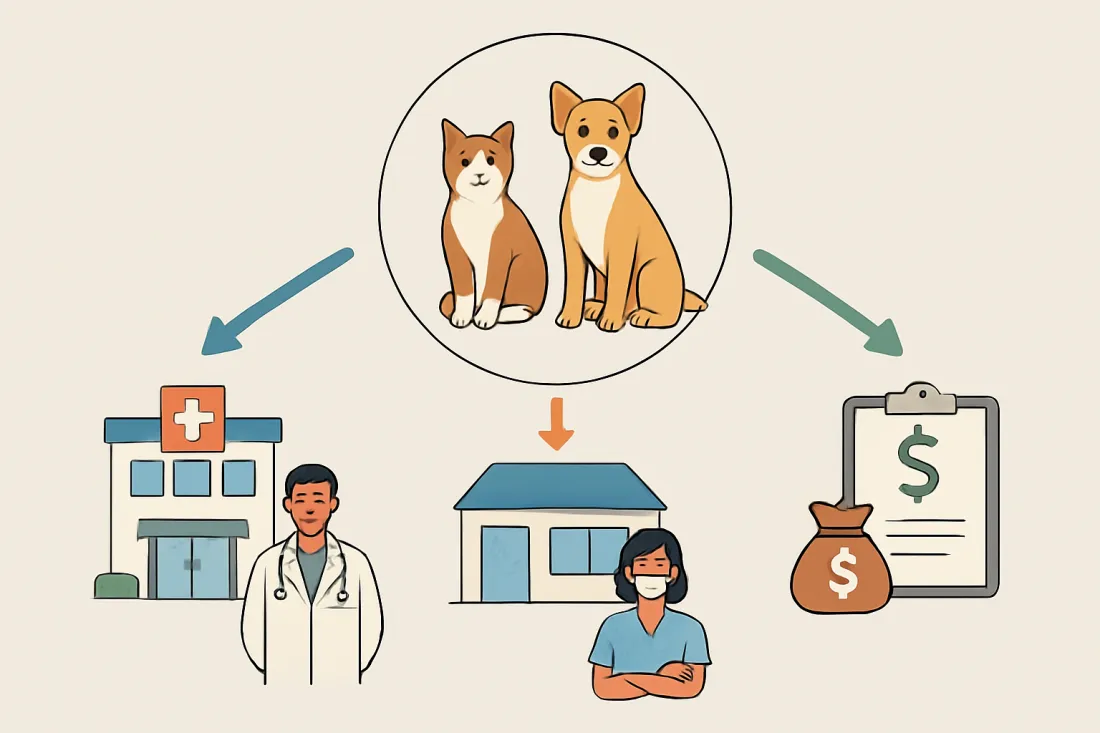
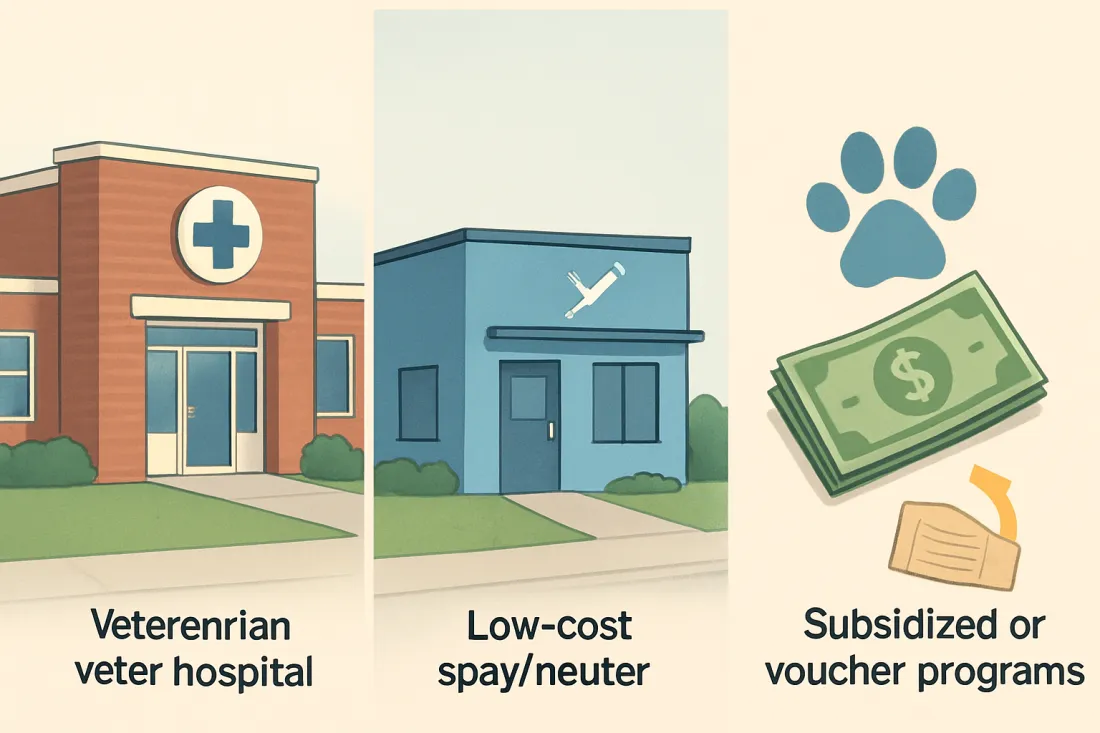
If you are searching for “low cost spay and neuter options near me USA,” you usually have three main paths to compare:
- Full-service veterinary hospital – Highest price, widest services, more diagnostics and support.
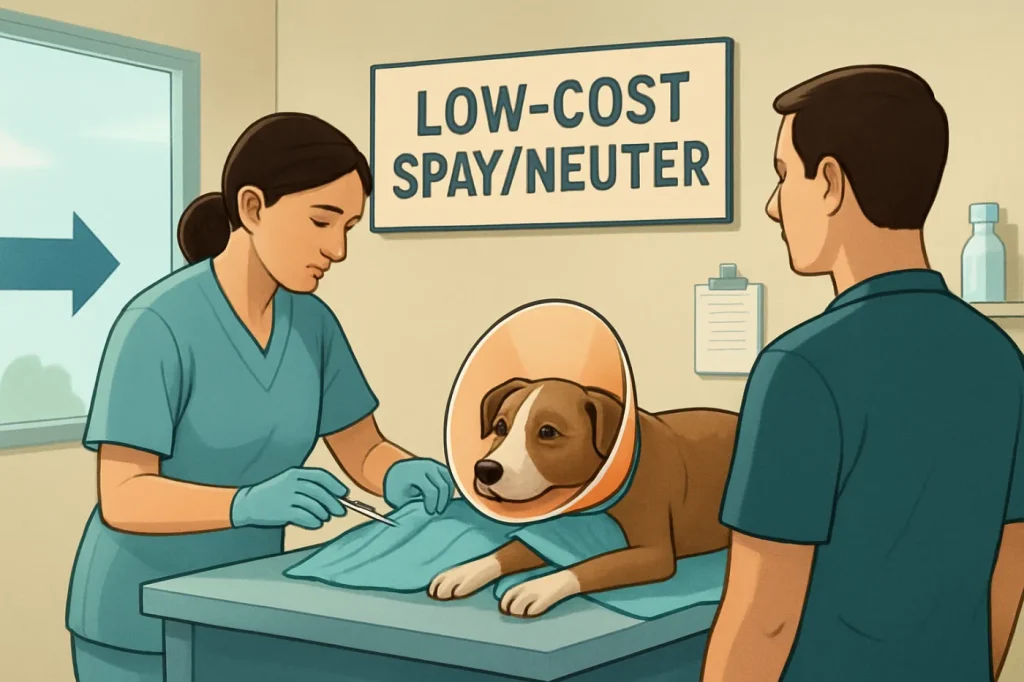
- Low-cost spay/neuter clinic – Lower price, focused on surgery, often run by nonprofits or shelters.
- Subsidized or voucher programs – You pay a reduced fee or nothing, funded by charities or local programs, with eligibility rules and limited slots.
The safest way to save money is to choose the lowest-cost option that still meets basic safety standards for your specific pet. That means checking:
- Who performs the surgery (licensed veterinarian, experienced team).
- What is included in the fee (exam, pain meds, cone, lab work, follow-up).
- How they handle emergencies and complications.
- Whether the clinic is a good match for your pet’s age, breed, and health.
You do not have to pick the most expensive clinic to keep your pet safe. You do need to avoid anyone who cannot clearly explain the vet’s credentials, anesthesia and pain control, and aftercare instructions.
Why low cost spay and neuter matters for U.S. pet owners
Spaying or neutering is one of the first big medical decisions for a dog or cat in the United States. It often lands in the same months as:
- Core vaccines and boosters.
- Food, litter, and basic supplies.
- Licensing and microchipping.
For many families, a traditional vet quote can feel out of reach. At the same time, delaying surgery can lead to:
- Unplanned litters that are difficult and expensive to care for or place safely.
- Behavior issues related to hormones, especially in male pets (roaming, marking, fighting).
- Higher risk of some health problems later in life compared with pets that are spayed or neutered on time.
Low cost clinics and nonprofit programs exist to make spay/neuter accessible while still providing humane, basic veterinary care. Your main task is to separate reputable low-cost options from offers that are just “cheap.” If you are still deciding whether you can afford a pet at all, it can help to look at the first year cost of owning a puppy or kitten so you can plan for spay/neuter as part of your overall budget.
Average spay and neuter costs by pet type and region: what actually changes the price
Exact prices for spay/neuter in the U.S. vary widely by city, clinic, and your pet’s situation. Instead of memorizing a single “average,” it is more useful to understand what tends to make surgery cheaper or more expensive so you can compare quotes in your own area.
Main factors that affect spay/neuter cost
- Species and sex
- Spaying (female) is a more involved abdominal surgery than neutering (male), so it usually costs more.
- Dogs usually cost more than cats because of size, anesthesia needs, and surgical time.
- Weight and age
- Larger pets need more anesthesia and sometimes more time in surgery.
- Adult or senior pets are more likely to need pre-op bloodwork and closer monitoring.
- Health status and risk level
- Brachycephalic (short-nosed) breeds, obese pets, and those with heart or breathing issues often need extra precautions.
- Pets in heat or pregnant can be more complex surgical cases.
- Type of provider
- Full-service hospitals tend to charge more but may include more diagnostics and follow-up.
- High-volume nonprofit clinics keep costs down by focusing on spay/neuter and streamlining extras.
- What is bundled into the fee
- Some quotes include exam, pain meds, cone, and follow-up.
- Others list only the surgery and add everything else as separate charges.
- Local cost of living
- Urban areas and coastal regions often have higher fees than small towns or rural areas.
- Some states and cities fund community programs that lower costs for residents.
How costs typically compare by pet type
Use these patterns as a comparison guide rather than fixed numbers. Always confirm current fees with clinics near you.
- Cats
- Neutering a male cat is usually the least expensive common surgery.
- Spaying a female cat costs more than neutering but is often still cheaper than dog surgery.
- Many low-cost clinics and community programs focus heavily on cats because of overpopulation, which can mean more discounts.
- Small dogs
- Neutering a small male dog is often in the lower price range for dog surgeries.
- Spaying a small female dog costs more than neutering but less than spaying a large dog.
- Medium and large dogs
- Both spay and neuter surgeries generally cost more as weight increases.
- Some clinics use weight brackets (for example, under 25 lbs, 26–50 lbs, over 50 lbs) with higher fees in each bracket.
Regional patterns to expect
Again, you will need to check locally, but many U.S. owners notice these trends:
- Big coastal cities – Higher typical vet fees; low-cost clinics and mobile events can offer significant savings compared with private hospitals.
- Suburban areas – A mix of full-service vets and nonprofit clinics; prices can vary even within the same county.
- Rural regions – Fewer clinics overall; some counties partner with mobile spay/neuter units or offer resident discounts to encourage surgery.
When you call clinics, ask each one for a total estimate for your specific pet (species, sex, weight, age, and health) so you are not comparing a cat quote to a large dog quote by mistake.
Full-service vet vs low-cost clinic vs voucher: which fits your situation
Both full-service vets and low-cost clinics can provide safe, humane spay/neuter surgery. The better choice depends on your budget, your pet’s health, and how much support you want before and after surgery.
Comparison table: choosing between key options
| Option | Best fit for | What is usually included | Main advantages | Trade-offs and risks |
|---|---|---|---|---|
| Full-service veterinary hospital | Owners with more flexible budgets; pets with known health issues; brachycephalic breeds; seniors; very anxious animals. | Pre-op exam; tailored anesthesia plan; monitoring; pain meds; often offers bloodwork, IV fluids, and follow-up visits. | One clinic for all care; easier to manage complications; more time for questions; broader diagnostics available on-site. | Higher overall cost; may recommend optional tests; appointments can book out; may be more than needed for young, healthy pets on a tight budget. |
| Low-cost spay/neuter clinic | Healthy young dogs and cats; owners on a strict budget; areas with strong nonprofit clinic networks. | Basic exam; surgery; standard anesthesia; pain meds; sometimes low-cost vaccines or microchips on the same day. | Lower fee than most full-service vets; high surgical volume can mean very experienced surgical teams; helps reduce community overpopulation. | Limited services beyond surgery; less flexible scheduling; may not be ideal for high-risk pets; follow-up care might be at a different clinic. |
| Voucher or subsidy program (used at partner clinics) | Owners who qualify based on income, location, or adoption status and need the lowest possible out-of-pocket cost. | Discounted surgery at participating vets or clinics; sometimes includes rabies vaccine or microchip. | Deeply reduced cost; care is still provided by licensed vets; can make surgery possible when it otherwise would be unaffordable. | Eligibility rules; limited funding and appointment slots; may require travel to a specific clinic or waiting for a scheduled event. |
Who should lean toward each option
- Choose a full-service vet if your pet has chronic health issues, is a senior, belongs to a higher-risk breed, or you want all care (including emergencies) handled in one place.
- Choose a low-cost clinic if your pet is young, healthy, and you mainly need safe, basic surgery at a price you can manage.
- Look for vouchers or subsidies if you meet income or adoption criteria and even low-cost clinic prices are still out of reach.
How to find reputable low-cost spay/neuter programs near you in the U.S.
Programs differ by city and state, so the most reliable way to find options is to combine online search with local recommendations.
Step-by-step process to locate options
- Start with local shelters and humane organizations
- Call or check the website of your city or county animal shelter.
- Ask if they run their own low-cost clinic or partner with mobile clinics or private vets.
- Many shelters maintain updated lists of current spay/neuter events and voucher programs.
- Ask your current vet (if you have one)
- Some full-service vets offer occasional discounted spay/neuter days.
- Others may refer you to trusted nonprofit clinics if cost is a concern.
- Use targeted local searches
- Search phrases like “low cost spay neuter clinic [your city]” or “spay neuter vouchers [your county].”
- Look for organizations that clearly list their mission, vet credentials, and contact information.
- Check with rescue groups and adoption coordinators
- Rescues often know which clinics are consistently safe, organized, and affordable.
- If you are still looking for a pet, adoption groups may include spay/neuter in the adoption fee; you can also explore where to adopt a pet near me for more context.
- Use social media and local community boards
- Search local community groups for recent posts about spay/neuter events.
- Ask for first-hand experiences with specific clinics in your area.
How to tell if a low-cost clinic is reputable
Look for these indicators before you book:
- Licensed veterinarian on-site – Staff can tell you the vet’s name and confirm they are licensed in your state.
- Clear explanation of procedures – They can describe the anesthesia plan, pain control, and how pets are monitored.
- Written pre-op and post-op instructions – You receive clear guidance for fasting, drop-off, pick-up, and home care.
- Reasonable intake process – They ask about your pet’s age, weight, vaccines, and medical history before confirming surgery.
- Realistic scheduling – They do not promise “walk-in surgery anytime” without any screening.
- Consistent feedback from local owners – Reviews and word-of-mouth mention cleanliness, good communication, and support if complications arise.
If a clinic cannot answer basic questions about who performs the surgery, how pets are monitored, or what happens if something goes wrong, keep looking.
Financial assistance and nonprofit resources for spay/neuter
Even low-cost clinics can be hard to afford during a tight month. Many areas in the United States have financial assistance programs that reduce or cover the cost of spay/neuter.
Common types of assistance you may find
- Income-based vouchers
- Available to households below a certain income threshold.
- Usually redeemable at specific partner clinics.
- May cover part or most of the surgery cost.
- City or county-funded programs
- Some local governments fund spay/neuter for residents to reduce stray populations.
- Eligibility may depend on your address or the number of pets you own.
- Rescue and shelter support
- Adopted pets are often already spayed/neutered or come with a prepaid surgery voucher.
- Some rescues help existing owners in crisis situations on a case-by-case basis.
- Special campaigns and events
- Seasonal or one-day events where surgeries are heavily discounted.
- Limited slots that require early registration.
How to locate assistance programs near you
Because funding and eligibility change over time, you will need to check current options locally. Use this simple process:
- Call your local animal shelter or animal control office and ask if they know of any current spay/neuter assistance or voucher programs.
- Search for “[your state] spay neuter assistance” and look for statewide or regional nonprofit organizations that list current programs.
- Ask rescue groups at adoption events or through their contact forms if they know of any current grants or special campaigns.
- Check adoption contracts if you are adopting a pet soon; many include spay/neuter as part of the fee, which can be more affordable than paying separately.
If you are budgeting for a cat specifically, it can help to look at the monthly cost of owning a cat in the US so you can plan for surgery alongside food, litter, and routine vet care.
Questions to ask before booking any spay/neuter surgery
Before you commit to a clinic or program, use these targeted questions to compare options and avoid unpleasant surprises.
About the clinic and vet
- Who will be performing my pet’s surgery, and are they a licensed veterinarian in this state?
- How many spay/neuter surgeries does your team perform on a typical surgery day?
- What type of anesthesia do you use, and how is my pet monitored during surgery and recovery?
- Where will my pet recover after surgery, and how often are they checked?
About cost and what is included
- What is the total estimated cost for my pet, including exam, surgery, pain medication, cone, and any required tests?
- Are there extra fees if my pet is in heat, pregnant, overweight, or has retained testicles?
- Do you require or recommend pre-anesthetic bloodwork, and how much does that add to the cost?
- Are vaccines, microchipping, or flea treatment available the same day, and what do they cost if I choose them?
About safety and aftercare
- What are the main risks for a pet like mine, and how do you reduce them?
- What pain control will my pet receive at the clinic and at home?
- What should I watch for at home, and who do I call if I am worried after surgery?
- Is a follow-up visit included in the fee if I have concerns about the incision?
If a clinic is transparent and patient with your questions, that is a good sign. If they seem annoyed or refuse to explain basic procedures, consider another option.
Spay/neuter prep and safety checklist
Use this structured checklist to prepare your pet and yourself for surgery day, whether you choose a full-service vet or a low-cost clinic.
1. One to two weeks before surgery
- Confirm eligibility and appointment
- Make sure your pet meets the clinic’s age and weight requirements.
- Verify the date, time, and drop-off instructions.
- Share full medical history
- Tell the clinic about any past illnesses, medications, or surgeries.
- Mention breathing issues, fainting episodes, or known allergies.
- Ask about vaccines and testing
- Check whether your pet needs proof of rabies or other vaccines.
- If vaccines are required, schedule them ahead of time when possible.
- Ask whether pre-anesthetic bloodwork is recommended for your pet’s age and health.
2. The day before surgery
- Review fasting instructions
- Follow the clinic’s specific rules about when to stop food and water.
- Do not give treats or breakfast if you have been told to fast your pet.
- Prepare your home
- Set up a quiet, warm, confined space for recovery (crate, small room).
- Gather any supplies: cone, soft bedding, and any prescribed meds.
- Plan transportation
- Arrange a secure carrier for cats and small dogs.
- Plan for a calm driver who can pick up a groggy pet safely.
3. Surgery day
- Arrive on time with paperwork
- Bring vaccine records, ID, and any required forms or vouchers.
- Confirm your contact information in case the clinic needs to reach you.
- Ask last-minute questions
- Verify when you should return for pick-up.
- Ask when you should offer food and water again after surgery.
- Double-check medications
- Make sure you understand dosing and timing for pain meds.
- Ask what to do if your pet vomits after medication.
4. First 48 hours after surgery
- Limit activity
- Keep your pet indoors and restrict running, jumping, and rough play.
- Use a leash for bathroom breaks, even for normally off-leash dogs.
- Protect the incision
- Use a cone or alternative recommended by your vet to prevent licking.
- Check the incision twice a day for redness, swelling, or discharge.
- Monitor appetite and behavior
- Expect mild sleepiness but call the clinic if your pet seems extremely weak, cries continuously, or refuses all food and water after the time they said it was safe to offer it.
5. One to two weeks after surgery
- Follow activity restrictions
- Continue limiting jumping and rough play until the clinic says it is safe.
- Keep the incision dry unless your vet gives different instructions.
- Attend follow-up if needed
- Go to any scheduled recheck appointments.
- Contact the clinic sooner if you notice bleeding, missing stitches, or a strong odor from the incision.
Common mistakes when choosing low-cost spay/neuter options
Trying to save money is understandable, but certain shortcuts can put your pet at risk or cost more in the long run.
1. Choosing purely on the lowest advertised price
A rock-bottom price that does not include pain meds, cones, or follow-up can end up costing more once you add everything you actually need. Always compare total expected cost, not just the headline number.
2. Skipping questions about anesthesia and monitoring
Some owners feel awkward asking medical questions, especially at busy clinics. However, you are entitled to know how your pet will be kept safe. Do not skip this step just because the clinic is inexpensive.
3. Ignoring your pet’s special risk factors
Brachycephalic breeds, seniors, or pets with chronic conditions may need more individualized care. In some cases, a full-service vet with more diagnostic tools is the safer choice, even if it costs more.
4. Not following fasting or aftercare instructions
Feeding your pet when they should be fasting or letting them run and jump too soon can lead to vomiting under anesthesia or incision complications. These mistakes can lead to emergency visits that are far more expensive than the original surgery.
5. Delaying surgery indefinitely because of cost
Putting off spay/neuter for months or years can lead to accidental litters, behavior challenges, and potential health issues. If cost is the main barrier, focus on finding assistance programs and planning ahead rather than postponing indefinitely.
Decision checklist: how to choose the right option for your situation
Use this decision checklist to narrow down your choices and move from research to booking.
- Assess your pet’s risk level
- Is your pet young, healthy, and a common breed? A reputable low-cost clinic is often a good fit.
- Is your pet older, has chronic health issues, or belongs to a higher-risk breed? Lean toward a full-service vet.
- Clarify your budget and timing
- How much can you realistically spend without skipping other essential care like vaccines and food?
- Do you need surgery soon to prevent a heat cycle or accidental litter?
- Gather at least two realistic quotes
- Call one full-service vet and one low-cost clinic.
- Ask each for a total estimate for your specific pet, including pain meds and any required tests.
- Compare safety and support, not just price
- Who explains anesthesia, monitoring, and aftercare more clearly?
- Who offers a clear plan for what happens if you are worried after surgery?
- Check for assistance if needed
- If both quotes are still out of reach, ask shelters and rescues about vouchers or subsidies.
- Be prepared to show proof of income or residency if required.
- Book and prepare
- Once you choose, schedule the appointment and follow the prep checklist above.
- Write down any questions to ask at drop-off so you do not forget under stress.
FAQ about low cost spay and neuter options near me in the USA
What should I understand about low cost spay and neuter options near me in the USA before I book?
You should understand that “low cost” does not automatically mean “low quality,” but it also does not guarantee the same level of extras and follow-up as a full-service vet. Reputable low-cost clinics still use licensed veterinarians, anesthesia, and pain control, but they keep prices down by focusing on high-volume surgery days and limiting nonessential services. Your job is to confirm who will operate on your pet, what is included in the fee, and how they handle questions or complications.
What mistakes should I avoid when choosing a low cost spay/neuter clinic in the U.S.
Avoid choosing a clinic based only on the lowest advertised price, skipping questions about anesthesia and monitoring, and ignoring your pet’s individual risk factors. Do not assume that all clinics include pain medication, cones, or follow-up in the base fee. Also avoid breaking fasting rules or letting your pet run and jump too soon after surgery, as these mistakes can lead to complications and unexpected emergency costs.
How can I tell if a low cost spay/neuter clinic near me is safe and reputable?
A safe clinic can clearly tell you the veterinarian’s name and credentials, explain the anesthesia and monitoring plan, and provide written pre-op and post-op instructions. They ask about your pet’s age, weight, vaccines, and medical history before scheduling surgery. Reviews from local pet owners and recommendations from shelters or rescues can also help you confirm that the clinic is organized, clean, and responsive when owners have concerns.
What should I do next after reading about low cost spay and neuter options in the USA?
Next, make a short list of local options: at least one full-service vet, one low-cost clinic, and any voucher or assistance programs you can find. Call each to get a total estimate for your specific pet and ask the key safety questions outlined above. Then choose the option that balances cost, safety, and support for your situation, book the appointment, and follow the preparation checklist so surgery day goes as smoothly as possible.
Is it better to wait until I can afford a full-service vet instead of using a low cost clinic?
For many healthy young pets, a reputable low-cost clinic is a reasonable and safe choice, and waiting months or years for a more expensive option can lead to unplanned litters or behavior issues. If your pet has special medical risks, it may be worth saving for a full-service vet or looking for assistance programs that let you use a traditional clinic at a reduced cost. The key is not to delay indefinitely; instead, match your pet’s risk level to the safest option you can reasonably afford.
Conclusion: balancing cost, safety, and timing
Finding low cost spay and neuter options near you in the United States is about more than hunting for the cheapest price. It is about balancing three things:
- Your pet’s health and risk level.
- Your realistic budget and timing.
- The quality, transparency, and support offered by each clinic or program.
Full-service vets, low-cost clinics, and voucher programs can all play a role in responsible pet ownership. By asking clear questions, comparing total costs, and following a structured prep and aftercare plan, you can choose an option that keeps your pet safe and helps prevent unwanted litters without putting your finances under unnecessary strain. Your next step is to make a short list of local providers, gather two or three quotes, and schedule surgery with the clinic that best fits your pet and your budget. Planning ahead now will make the rest of your pet’s care easier to manage in the long run.